Philadelphia Insurance Companies Logo
Loginor create an account
Start typing in your search to see relevant search terms below

Suppressing Cooking Fires

Whether it's a knock at the door or a call from a child in another room, the distractions that can arise while cooking are endless.

Risk ManagementBy Philadelphia Insurance Companies
Philadelphia Insurance Companies LinkedIn PagePhiladelphia Insurance Companies YouTube PagePhiladelphia Insurance Companies Twitter PagePhiladelphia Insurance Companies Instagram PagePhiladelphia Insurance Companies Facebook Page
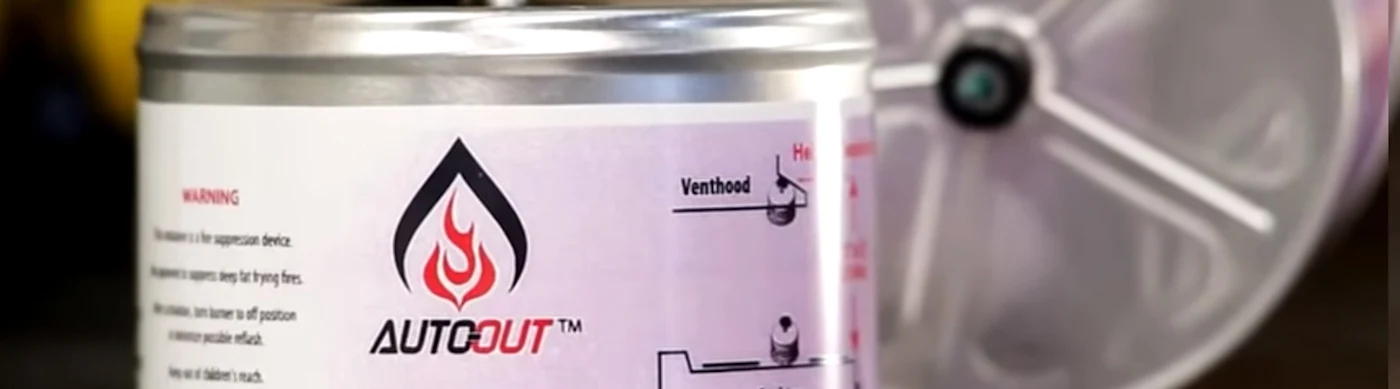
Closeup of Autoout can

Whether it's a knock at the door or a call from a child in another room, the distractions that can arise while cooking are endless. However, leaving a hot stovetop unattended, for any reason or any amount of time, can be a deadly and costly mistake. According to the National Fire Protection Association (NFPA), cooking is the leading cause of residential fires and unattended equipment is, by far, the leading factor contributing to cooking fires.

It may only take a few minutes for a cooking fire to engulf an entire home. If no one is in the kitchen when the fire starts, by the time a fire extinguisher is located it may be too late. In many cases, fire extinguishers may not effectively put out a fire due to malfunction, expiration, or human error.

Since the vast majority of cooking fires start when no one is around, the best solutions for extinguishing stovetop fires do not require a person to activate them. These solutions, called reactive devices, are able to suppress or extinguish a fire once it has started, aiming to stop it from spreading and reduce the potential damage. Philadelphia Insurance Companies has partnered with Auto-Out to give policyholders access to a reactive device for their habitational properties at a discounted price. More than 67,000 devices are already in use.

Auto-Out is a fire-suppressant device that easily attaches to cooktops with over-the-range microwaves or standard venthoods. This device is an affordable way to protect property and residents 24 hours a day, seven days a week. Auto-Out is activated by the flames of the fire, so neither smoke, steam, nor heat will activate the device. Watch the video to see how the device works.

With Auto-Out, property owners can have peace of mind knowing their residents are protected and their rental units remain intact. The cost of rebuilding and lost rent from a fire can be detrimental to a property owner's bottom line. Auto-Out helps reduce or eliminate property loss, keep rental units occupied, and prevent large insurance claims.

PHLY policyholders interested in purchasing Auto-Auto devices can visit www.auto-out.com/phly to learn more and place an order.

IMPORTANT NOTICE - The information and suggestions presented by Philadelphia Indemnity Insurance Company are for your consideration in your loss prevention efforts. They are not intended to be complete or definitive in identifying all hazards associated with your business, preventing workplace accidents, or complying with any safety related, or other, laws or regulations. You are encouraged to alter them to fit the specific hazards of your business and to have your legal counsel review all of your plans and company policies.

Related Blogs

Read More PHLY Blogs
Risk Management

Winter Weather Preparedness: 5 Essential Tips to Protect Your Fleet, Property, and People

Winter storms can bring costly risks to businesses, from slips and falls to burst pipes and stranded vehicles. This guide shares five essential tips for winter weather preparedness to help organizations safeguard people, property, and operations.

Risk Management

PHLYSENSE Saves the Day

Property Monitoring Sensor Prevents $100,000 Flood at a Virginia school.

Risk Management

How to Create a Business Continuity Plan

From natural disasters to data breaches, risks for businesses of all sizes are on the upswing

Risk Management

Slip and Fall Prevention

Slips, trips, and falls (STFs) have been a staple in comedy for centuries, from Charlie Chaplin slipping on a discarded banana peel to YouTube clips of people tripping over their own feet. However, the sobering reality remains that STFs accounted for almost 7 million non-fatal injuries and 42,000 deaths in 2020.

Product

Facilities Risk Management: What Non-Profits Need to Know

Whether it's their property, a building they rent, or a home office, all non-profits have facilities they must manage.